 Join
Join
 Shorts

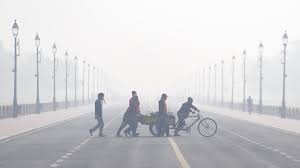
🌫️ इंट्रोडक्शन: दिसंबर में दिल्ली का आसमान फिर धुंधला
Delhi Pollution Control Action Plan दिल्ली हर साल सर्दियों के मौसम में हवा की गंभीर स्थिति का सामना करती है,
लेकिन इस साल (2025) में हालात और भी चुनौतीपूर्ण हो गए हैं।
PM2.5 और PM10 के खतरनाक स्तर होने लगे हैं, AQI लगातार “Very Poor” और “Severe” कैटेगरी में पहुंच रहा है,
और शहर की हवा में धूल, धुआं और स्मॉग की मोटी परत साफ नजर आ रही है।
इन हालातों को देखते हुए दिल्ली सरकार ने Pollution Control Action Plan को सक्रिय कर दिया है
और कई सख्त कदम लागू किए गए हैं। यह ग्राउंड रिपोर्ट आपको बताती है कि
दिल्ली में वास्तविक जमीन पर क्या हो रहा है?
सरकार क्या कर रही है? लोग कितने प्रभावित हैं? और आने वाले दिनों में क्या तस्वीर बदल सकती है?
🔥 क्यों बढ़ा दिल्ली में प्रदूषण? असली कारणों का विश्लेषण
हवा खराब होने के पीछे कई layered और complex कारण हैं।
यह केवल एक कारण का परिणाम नहीं, बल्कि कई sources का combined impact है।
1. पराली जलना (Stubble Burning)
हर साल की तरह पंजाब और हरियाणा से आने वाला smoke दिल्ली की हवा को भारी बनाता है।
Satellite data के मुताबिक 2025 में incidents 18% ज्यादा हुए।
2. Construction Dust
दिल्ली NCR में बड़े infrastructure projects चल रहे हैं — flyovers, expressways, metros, housing projects।
इनसे निकलने वाली dust प्रदूषण का सबसे बड़ा contributor है।
3. Vehicular Emission
दिल्ली की सड़कों पर 1 करोड़ से ज्यादा vehicles हैं।
Petrol–diesel वाहनों का emission AQI के लिए लगातार खतरा बना हुआ है।
4. Industrial Units
NCR में कई ऐसी industries हैं जिनमें अभी भी cleaner fuel का इस्तेमाल नहीं होता।
इन factories की emissions हवा में pollutants बढ़ाती हैं।
5. मौसम और हवा की दिशा
सर्दियों में हवा slow हो जाती है, जिससे pollutants हवा में फंस जाते हैं।
Temperature inversion भी pollution को नीचे रोकता है।
🚨 Delhi Pollution Control Action Plan — सरकार के सबसे बड़े कदम
जैसे ही AQI कई क्षेत्रों में “Severe” स्तर पर पहुंचा,
दिल्ली सरकार ने GRAP (Graded Response Action Plan) के तहत सभी steps activate कर दिए।
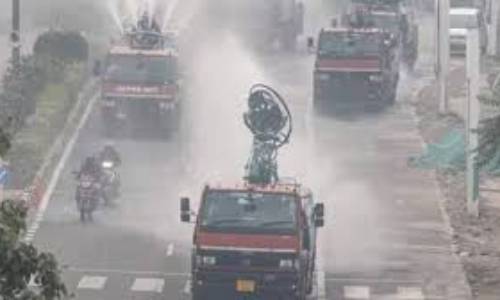
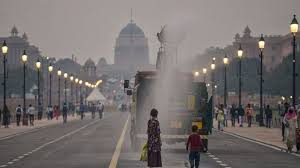
1. सड़कों पर लगातार पानी का छिड़काव
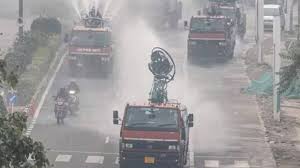
- PWD और MCD की 400+ water sprinkling machines तैनात
- रोड धूल (road dust) को दबाने के लिए targeted areas पर दिनभर spraying
- Flyovers, highways, and busy traffic corridors पर विशेष फोकस
Ground Report से पता चला कि कई इलाकों — जैसे ITO, Anand Vihar, Dwarka, और Rohini — में
हर 2–3 घंटे में sprinkling की जा रही है।
2. Construction Activity पर रोक
सरकार ने pollution बढ़ाने वाले construction activities पर पूरी तरह प्रतिबंध लगाया है।
इसमें शामिल है:
- Flyover और metro construction
- Large-scale digging
- Stone-cutting, drilling
- Building demolition
Exceptions केवल national emergency projects को दी गई हैं।
3. एंटी-धूल अभियान (Anti-Dust Campaign)
- Construction sites पर anti-smog guns अनिवार्य
- Dust nets और covering sheets की सख्त जांच
- Rules तोड़ने पर ₹5 लाख तक का जुर्माना
Inspectors की टीमों ने 230 से अधिक sites पर जांच की और कई को नोटिस दिया।
4. वाहन प्रदूषण पर नियंत्रण
- 10 साल से पुराने diesel vehicles पर कड़ी कार्रवाई
- PWD और traffic police की संयुक्त चेकिंग
- PUC certificate अनिवार्य
1,200 से अधिक वाहनों को challan किया गया है।
5. स्कूलों और आउटडोर गतिविधियों पर advisory
AQI खराब होने पर Delhi Government ने सभी स्कूलों को outdoor activities रोकने का निर्देश दिया।
कुछ क्षेत्रों में classes online चलाने की भी तैयारी की गई है।
6. Industrial emissions पर निगरानी
- 83 industrial units को नोटिस
- Clean fuel (PNG) न इस्तेमाल करने वाली factories पर सीलिंग की कार्रवाई
- CPCB द्वारा 24×7 emission monitoring
🛰️ Ground Report: दिल्ली के अलग-अलग इलाकों की हवा कैसी?
India Akhbar की टीम ने कई क्षेत्रों का दौरा किया।
यहां real ground report दी है:
1. ITO — AQI 420+
यहां traffic emission और dust का combined effect हवा को खतरनाक बना रहा है।
Sprinkling लगातार हो रहा है लेकिन vehicles की भीड़ pollution levels बढ़ाए हुए है।
2. Anand Vihar — AQI 450+
यहां बस अड्डा और industrial activity pollution का बड़ा कारण है।
CPCB monitoring team लगातार स्टेशन पर तैनात है।
3. Dwarka — AQI 380–410
Dust pollution ज्यादा। Construction sites अक्सर rules तोड़ती दिखीं।
4. North Campus / Civil Lines — AQI 360+
यहां smog visibly ground level पर देखा गया।
Students masks पहनकर घूमते मिले।
5. Gurugram–Noida border
Cross-border pollution combined effect से हवा बेहद खराब।
📉 क्या Action Plan का असर दिख रहा है? Experts की राय
Environmental experts का मानना है कि government steps short-term relief देते हैं,
लेकिन permanent solution के लिए बड़े reforms चाहिए।
Short-term impact:
- Road dust 20–30% तक कम
- Construction dust almost zero
- अचानक AQI गिरने पर 24 घंटे में कुछ सुधार
Long-term challenges:
- Parali burning पर states coordination की कमी
- Vehicle emission बहुत बड़ा contributor
- Industries की compliance कमजोर
- Wind speed पर complete dependency
♻️ Long-term Plan: दिल्ली की हवा साफ करने का रोडमैप
सरकार ने अगले 3–5 वर्षों में हवा सुधारने के लिए long-term blueprint तैयार किया है।
मुख्य बिंदु:
- 10 हजार electric buses
- Green fuel logistics transition
- All construction sites पर anti-smog guns अनिवार्य
- Mechanical road sweepers की संख्या दुगुनी
- Real-time pollution dashboard upgrade
- Industrial clusters में zero-emission mandate
- Delhi NCR Clean Air Corridor
🧠 Final Verdict: क्या दिल्ली की हवा सुधरेगी?
प्रदूषण एक दिन का मुद्दा नहीं। यह एक seasonal और multi-layered crisis है।
Delhi Government के steps ground level पर clearly नजर आ रहे हैं —
लेकिन solution तभी sustainable होगा जब:
- States मिलकर काम करें
- प्रदूषण स्रोतों पर तकनीकी सुधार हों
- Public भी अपनी जिम्मेदारी निभाए
- देश-स्तर पर clean energy transition हो
आज के लिए Action Plan एक immediate response है,
लेकिन भविष्य की हवा clean करने के लिए consistent reforms और public cooperation जरूरी है।
❓ FAQ — Delhi Pollution Report
Q1. दिल्ली में आज AQI इतना खराब क्यों है?
पराली, traffic, construction dust और slow wind speed मुख्य कारण हैं।
Q2. क्या construction activity पूरी तरह बंद है?
GRAP के तहत कई जगह पूरी तरह बंद है, कुछ essential work को छूट है।
Q3. Road sprinkling कितना प्रभावी है?
Dust control में 20–30% तक immediate relief देता है।
Q4. क्या स्कूल बंद होंगे?
AQI बहुत खराब होने पर सरकार advisory जारी कर सकती है।
Q5. Pollution का long-term solution क्या है?
Electric mobility, clean fuel, inter-state coordination और industry reforms।