
 Join
Join
 Shorts

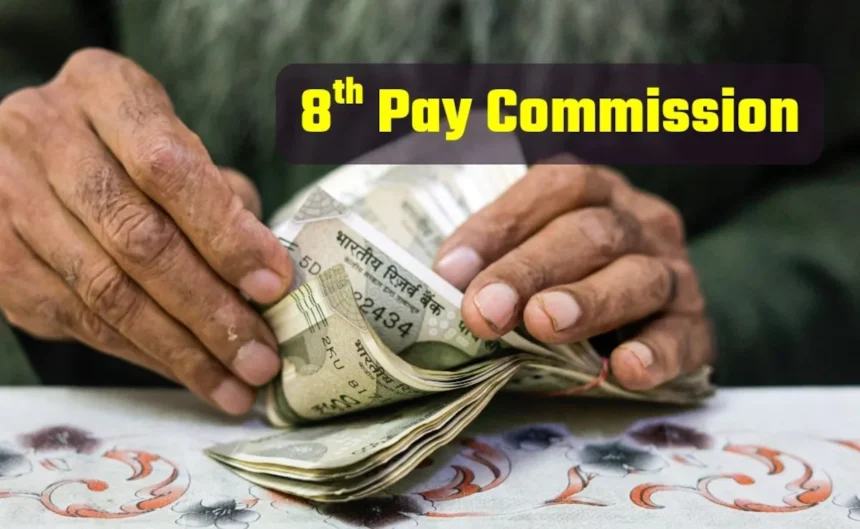
8th Pay Commission क्या है और यह क्यों जरूरी है
8th Pay Commission Central Government employees और pensioners के लिए एक बहुत बड़ा financial reform माना जा रहा है। Pay Commission का मुख्य उद्देश्य government employees की salary structure को inflation, cost of living और economic conditions के हिसाब से revise करना होता है। हर Pay Commission लगभग 10 साल के gap पर लागू किया जाता है, ताकि कर्मचारियों की purchasing power बनी रहे।
वर्तमान में Central Government employees 7th Pay Commission के तहत salary और allowances पा रहे हैं, जो January 2016 से लागू है। ऐसे में अब employees और pensioners के बीच यह सवाल तेजी से उठ रहा है कि 8th Pay Commission कब आएगा और इसका implementation timeline क्या होगा।
अब तक Pay Commissions का timeline क्या रहा है
अगर पिछले Pay Commissions के pattern को देखें, तो हर commission लगभग 10 साल के interval पर लागू हुआ है। 6th Pay Commission January 2006 में लागू हुआ था, जबकि 7th Pay Commission January 2016 से effective हुआ। इसी pattern के अनुसार देखा जाए, तो 8th Pay Commission का logical timeframe January 2026 के आसपास बनता है।
हालांकि, Pay Commission का गठन और उसकी recommendations लागू होने में time लगता है। पहले commission constitute किया जाता है, फिर reports submit होती हैं और उसके बाद Cabinet approval के बाद implementation होता है।
8th Pay Commission को लेकर Government का क्या stance है
अब तक Government of India की तरफ से 8th Pay Commission को लेकर कोई formal notification जारी नहीं हुई है। लेकिन various statements और parliamentary answers से यह संकेत जरूर मिले हैं कि government इस मुद्दे को completely ignore नहीं कर रही।
Experts का मानना है कि government economic conditions, fiscal deficit और election cycle को ध्यान में रखकर फैसला लेगी। Salary revision एक बड़ा financial burden होता है, इसलिए decision timing काफी strategic होती है।
क्या 2026 में 8th Pay Commission लागू हो सकता है
Central Government employees के बीच सबसे बड़ा सवाल यही है कि क्या 8th Pay Commission January 2026 से लागू होगा। अगर past trends follow किए जाएं, तो 2026 एक natural timeline बनता है। लेकिन इसका मतलब यह नहीं है कि recommendations उसी समय लागू हो जाएंगी।
कई बार Pay Commission recommendations retrospective effect के साथ लागू होती हैं। यानी effective date January से होती है, लेकिन actual salary hike बाद में मिलती है, साथ में arrears भी दिए जाते हैं।
Salary structure में क्या बड़े बदलाव हो सकते हैं
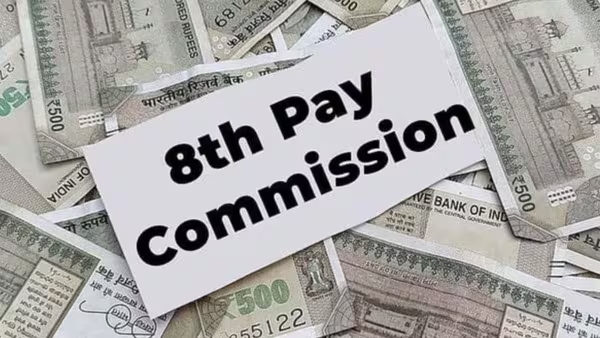
8th Pay Commission के लागू होने पर salary structure में major changes देखने को मिल सकते हैं। Basic Pay, Fitment Factor और Allowances को revise किया जा सकता है। Employees को उम्मीद है कि Fitment Factor 2.57 से बढ़ाकर 3.0 या उससे ज्यादा किया जा सकता है।
इसके अलावा Dearness Allowance (DA) को reset करके basic pay में merge करने की भी चर्चा होती रहती है। इससे overall salary structure ज्यादा simplified और transparent हो सकता है।
Pensioners के लिए 8th Pay Commission का क्या मतलब होगा
8th Pay Commission सिर्फ working employees के लिए नहीं, बल्कि pensioners के लिए भी बेहद अहम है। Pension calculation basic pay पर आधारित होती है, इसलिए pay revision का सीधा फायदा pension amount पर भी पड़ता है।
Pensioners को उम्मीद है कि minimum pension और family pension में भी substantial increase देखने को मिलेगा, जिससे rising medical और living expenses को manage करना आसान होगा।
Dearness Allowance और Inflation का connection
Dearness Allowance inflation से linked होता है और हर छह महीने में revise किया जाता है। जैसे-जैसे DA percentage बढ़ता है, वैसे-वैसे salary burden भी बढ़ता है। कई experts मानते हैं कि DA जब 50 percent या उससे ज्यादा पहुंचता है, तब Pay Commission की जरूरत और ज्यादा महसूस होती है।
8th Pay Commission के आने पर DA को reset करके new base year से calculation शुरू की जा सकती है, जिससे future salary hikes ज्यादा structured होंगी।
Economic impact और Government finances
8th Pay Commission लागू होने से government expenditure में बड़ा increase होगा। Salary और pension का खर्च already budget का significant हिस्सा होता है। ऐसे में government को fiscal discipline और welfare spending के बीच balance बनाना होगा।
हालांकि, salary hike का positive impact economy पर भी पड़ता है। Increased disposable income से consumption बढ़ता है, जिससे overall economic activity को boost मिलता है।

Employees की expectations और demands
Central Government employees unions लगातार 8th Pay Commission को लेकर demands उठा रही हैं। उनका कहना है कि inflation और cost of living काफी बढ़ चुकी है, जबकि salary revision उसी pace से नहीं हुई है।
Employees चाहते हैं कि 8th Pay Commission समय पर constitute हो, ताकि recommendations बिना delay लागू की जा सकें और uncertainty खत्म हो।
क्या alternative model भी possible है
कुछ policy experts यह भी सुझाव देते हैं कि traditional Pay Commission model के बजाय performance-linked pay या periodic automatic revision system अपनाया जा सकता है। इससे large one-time burden की जगह gradual adjustments संभव होंगी।
लेकिन India जैसे बड़े administrative system में Pay Commission अभी भी सबसे practical और accepted model माना जाता है।
निष्कर्ष
8th Pay Commission कब होगा लागू, यह सवाल अभी officially unanswered है, लेकिन trends और expectations को देखें तो 2026 एक strong possibility बनता है। Government का final decision economic conditions और political timing पर depend करेगा।
Central Government employees और pensioners के लिए 8th Pay Commission सिर्फ salary hike नहीं, बल्कि financial security और dignity का सवाल है। अगर इसे सही planning और timing के साथ लागू किया गया, तो यह governance, economy और workforce morale तीनों के लिए positive साबित हो सकता है।
Read More:- Rajasthan Congress Protest: सरकार के खिलाफ सड़कों पर उतरी कांग्रेस, राजनीतिक तापमान बढ़ा
Read More:- India Ethiopia Bilateral Ties: इतिहास, भरोसा और Future Vision पर टिका मजबूत रिश्ता